
How music triggers memories: The science behind nostalgia

Have you ever heard a song and instantly been transported back in time? Perhaps it reminded you of your first date, a family holiday, a school dance, or a summer spent with friends. Within seconds, details you hadn't thought about for years suddenly come flooding back.

Few things trigger memories as powerfully as music. A single song can unlock emotions, people, places, and experiences that seem buried deep in the past.
But why does this happen, and can we use music deliberately to strengthen and preserve our memories?
Why music is such a powerful memory trigger
Our brains are constantly creating associations between experiences and the world around us.
A particular scent may remind you of your grandmother's kitchen. A photograph may bring back memories of a holiday. Likewise, music often becomes linked to specific moments in our lives.
Researchers refer to these triggers as memory cues, stimuli that help us retrieve information stored in our long-term memory. Memory cues can be visual, emotional, sensory, or auditory.
Music is especially powerful because it engages multiple parts of the brain at once. When we listen to music, areas involved in memory, emotion, attention, and personal identity all become active.
This is why hearing a familiar song often feels like more than remembering an event, it can feel like reliving it.
The connection between songs and memories
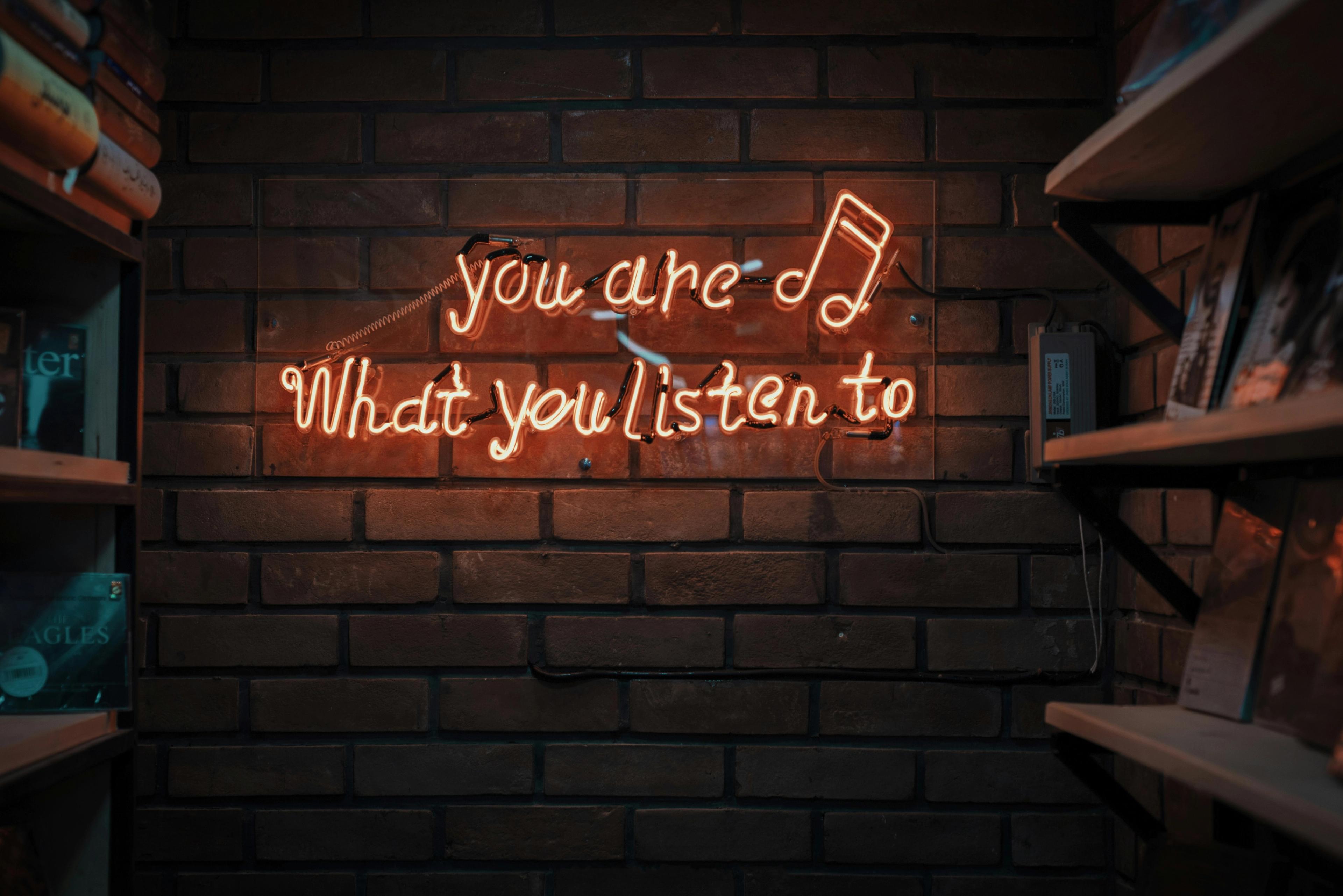
Most of us have songs that immediately transport us back to a particular place, time, person, or experience. Research supports this phenomenon.
In a well-known study conducted by Dr. Petr Janata at the University of California, Davis, participants listened to popular songs from their youth. More than 75% of the songs triggered specific autobiographical memories.
What's particularly fascinating is that these memories were often highly emotional and remarkably detailed.
A song might remind someone of:
- Their first love
- A family road trip
- A university graduation
- A childhood friendship
- A wedding or special celebration
The music acts like a key, unlocking memories that may not have been consciously recalled for years.
Why music and emotion are closely connected
Part of music's power comes from its connection to emotion. We rarely remember events as a collection of facts. Instead, we remember how experiences made us feel.

Music often serves as the soundtrack to important moments in our lives. Because emotions help strengthen memory formation, songs become closely linked to those experiences.
Years later, hearing the same song can reactivate not only the memory itself but also many of the emotions associated with it.
This explains why a song can sometimes make us smile, laugh, cry, or feel nostalgic within moments of hearing it.
How to use music to strengthen memories
The good news is that you don't have to wait for memories to appear unexpectedly. You can intentionally use music to create stronger memories today.
Create a soundtrack for important experiences
Consider choosing a specific album or playlist for meaningful events such as:
- Family holidays
- Road trips
- Anniversaries
- Special celebrations
- Travel adventures
Over time, those songs may become closely associated with the experience, helping you relive it years later.
Build playlists from different periods of your life

Create playlists featuring music from:
- Your childhood
- Your teenage years
- Early adulthood
- Your children's childhood
- Important periods of your career
Listening to music from a particular era often unlocks memories that photographs alone cannot trigger.
Listen to music while journaling
If you're writing about your life, try listening to music from the period you're documenting.
Many people find that songs from a particular decade help surface forgotten details, emotions, and stories.
A song can often provide the missing piece that brings a memory back into focus.
Once that memory returns, our guide to how to bring a memory to life can help you turn it into a fuller story.
Use music to start conversations
Music can be a powerful storytelling tool. Ask a parent, grandparent, friend, or partner:
"What does this song remind you of?"
You may uncover fascinating stories that would never have emerged otherwise. Some of the best family memories begin with a simple question prompted by a familiar song.
Pair music with memory recording
If you're preserving your life story, music can help trigger memories worth capturing.
Listening to songs from different periods of your life while recording stories, journaling, or creating a memoir often reveals experiences and emotions that might otherwise remain forgotten.
Music, memory, and future generations
One of the most wonderful things about music is its ability to connect generations.
The songs that defined your youth may one day help your children or grandchildren understand the world you grew up in. Sharing music alongside stories adds context, emotion, and personality to family history.
A favourite song can tell future generations just as much about a person as a photograph or written story.
Final thoughts
Music is far more than entertainment. It acts as a bridge between the present and the past.
Whether you're revisiting old memories, recording family stories, or creating new experiences, music can help bring important moments back to life in a way few other memory cues can.
The next time a familiar song comes on, don't rush past it. Pause for a moment. There may be a story waiting to be remembered.
If you want to keep the conversation going, these questions to ask family members can help uncover more stories.


